Luxury interiors are often mistaken for expensive interiors. Homeowners spend heavily on premium furniture, imported finishes, and designer décor, yet the space still feels uncomfortable, cluttered, or incomplete. The problem is rarely the budget, it is how the budget is spent.
Luxury interior design works when money is invested in the right decisions first: planning, proportion, and long-term usability. This article breaks down how luxury is actually created in villas and apartments, not by spending more, but by spending intelligently, avoiding waste, prioritizing high-impact choices, and designing spaces that remain refined and functional over time.
Key Elements of Luxury Interior Design
Luxury interiors feel effortless because costly mistakes are avoided early in the design process.
The key elements that define true luxury include:
- Thoughtful space planning that prevents awkward movement and unused areas
- Correct proportions that make rooms feel complete without overfurnishing
- Clear visual hierarchy that avoids clutter and confusion
- High-quality craftsmanship that reduces long-term repair and rework costs
- Personalization based on lifestyle needs rather than short-lived trends
When these fundamentals are right, the space feels luxurious without requiring constant upgrades.
Luxury Interior Design Ideas for Villas
Villas often create the illusion that luxury requires upgrading every corner equally. This approach usually leads to overspending without improving comfort.
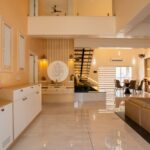
Luxury villa interiors focus on impact zones, entryways, living spaces, and master suites, where design quality is felt daily. Large spaces need structure, not decoration. Defined zones, strong focal points, and layered lighting prevent rooms from feeling empty or disconnected.
Another smart investment is indoor–outdoor continuity. Seamless transitions between interiors and gardens, patios, or decks expand the perceived space and reduce the need for heavy interiors, delivering luxury through openness rather than excess.
Luxury Interior Design Ideas for Apartments
In apartments, luxury is often compromised by trying to fit too much into limited space.
Well-designed luxury apartments remove inefficiencies early. Open layouts reduce the need for partitions. Integrated storage minimizes the need for additional furniture later. Light palettes and restrained material choices prevent visual congestion.
Luxury in apartments is not about squeezing in premium elements, it is about creating breathing room, ensuring every square foot contributes to comfort and usability.
Materials, Colors, and Finishes That Define Luxury
Materials and finishes are where budgets are most often misused. Spending more only makes sense when choices deliver durability and long-term relevance.
If you want to make smart luxury choices, here’s what you should keep in mind while scouting materials. Go for:
- Natural materials such as stone and wood that age gracefully
- Neutral, layered color palettes that adapt to evolving tastes
- Subtle textures that add depth without visual overload
- Selective use of premium finishes in high-impact areas
- Finishes chosen for durability and ease of maintenance
Lighting and Furniture for a Premium Look
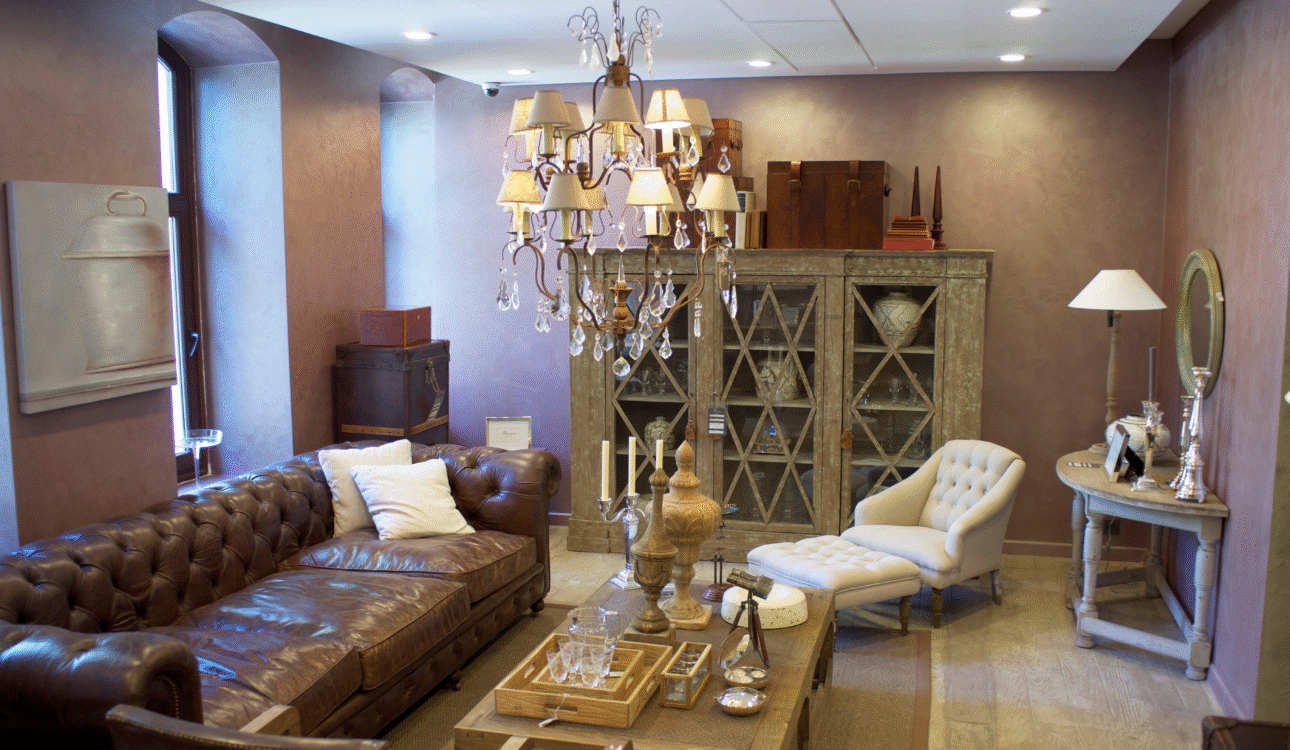
Lighting is one of the highest-return investments in interior design, yet it is frequently undervalued. Poor lighting forces homeowners to compensate with décor, artwork, or furniture, increasing costs without improving comfort.
Layered lighting, ambient, task, and accent, creates mood, depth, and functionality simultaneously. When lighting is planned correctly, even simple spaces feel premium.
Furniture follows the same logic. Fewer, well-proportioned pieces outperform overcrowded layouts. Luxury furniture justifies its cost by staying comfortable, relevant, and visually balanced for years.
Smart Features and Bespoke Details in Luxury Interiors
Smart features are not indulgences; they are tools for efficiency and comfort. Automated lighting and climate control reduce energy waste while improving daily convenience, especially in larger homes.
Bespoke details offer similar long-term value. Custom cabinetry, tailored storage, and made-to-measure joinery eliminate clutter and future fixes. These elements quietly enhance everyday living while protecting the overall investment in the home.
Common Mistakes to Avoid in Luxury Interiors
Luxury interiors often fail because spending decisions are reactive rather than strategic.
Common mistakes to avoid include:
- Investing in finishes before resolving layout and space planning
- Overloading interiors with too many materials, colors, or focal points
- Chasing trends that date quickly and require frequent updates
- Poor lighting planning that dulls even premium spaces
- Prioritizing aesthetics over functionality, increasing long-term discomfort and rework
Avoiding these mistakes preserves both visual quality and financial value.
Luxury Interior Design Budgeting: Where to Spend and Where to Save
Luxury interiors succeed when budgets are planned strategically rather than spent impulsively.
Where to spend for maximum value:
- Space planning and layout design, as changes later are costly and disruptive
- Lighting design, which directly impacts how premium the space feels
- Quality craftsmanship and execution to avoid repairs and rework
- Custom storage and joinery that improves usability and longevity
Where you can save without compromising luxury:
- Decorative accessories and soft furnishings that can be upgraded over time
- Trend-led elements that change frequently
- Non-structural finishes in low-impact areas
- Furniture pieces that can be phased rather than purchased all at once
When money is allocated this way, luxury becomes sustainable, adaptable, and far more rewarding in the long run.
Summing Up
Luxury interior design is not about how much you spend, it is about where and why you spend. Villas and apartments require different approaches, but both benefit from disciplined planning, thoughtful material selection, and restrained detailing.
When money is invested in fundamentals instead of appearances, luxury becomes timeless. The result is a home that feels refined, comfortable, and valuable long after the design process is complete.
Frequently Asked Questions
- Does luxury interior design always require a high budget?
No. Strategic planning and smart allocation often cost less than correcting poor design decisions later.
2. Where should the highest budget priority be in luxury interiors?
Layout planning, lighting, and craftsmanship deliver the strongest long-term value. So allocate your budget accordingly.
3. Can small apartments genuinely feel luxurious?
Yes. Efficient layouts, integrated storage, and restrained design choices create premium experiences even in compact spaces. Make the choice accordingly or reach out to a professional interior designer for guidance.
4. How can luxury interiors remain timeless?
By focusing on neutral palettes, quality materials, and functional layouts rather than trend-driven design.
5. Are smart features essential in luxury homes?
They are optional, but when integrated well, they enhance comfort, efficiency, and long-term usability.