Most homes don’t feel unfinished because the budget ran out. They feel unfinished because too many decisions were made without a clear system. One piece of furniture looked nice in the store, a light fixture was added later, décor kept accumulating over time, and slowly, the space lost clarity. Luxury home interiors work in the opposite direction. They start with restraint, not addition. When you learn how to declutter first, control visual noise, and invest only where it truly matters, your home begins to feel intentional rather than assembled. That’s what creates a premium feel, even on a limited budget.
The following steps walk you through that process in the right order.
1. Declutter First, or Don’t Start at All
If your home feels chaotic, adding new elements will only make it worse. The first and most important step in improving home interiors is to declutter, properly, not halfway.
Remove:
- Extra furniture that blocks movement
- Decorative items that serve no purpose
- Anything you’ve kept “just in case”
Luxury spaces are defined by breathing room. Clear surfaces, open corners, and visible floor space immediately change how a room feels. Once you declutter, you’ll notice that the space already looks better, before spending a single rupee.
2. Fix Lighting Before You Touch Anything Else
Furniture and décor never look right in poor lighting. One overhead light flooding the room makes even well-designed home interiors feel flat and unfinished.
Instead, break lighting into layers:
- A soft general light for the room
- Focused lighting where you read, cook, or work
- Low, warm lights near walls, shelves, or corners
The aim is not brightness. It’s depth. When light comes from multiple points, the room automatically feels calmer and more refined.
3. Keep the Base Neutral and Choose One Accent Colour
A common mistake is trying to “add character” by using multiple colours. That rarely works. For balanced home interiors, keep the foundation neutral, walls, flooring, large furniture, and choose one accent colour only.
Do not introduce a second or third bold colour just to fill space. One strong accent, used consistently, always looks deliberate and high-end.
4. Upgrade the Details You Interact With Daily
Some elements shape how your home feels more than how it looks. Handles, switches, faucets, cabinet hardware, these are touched every day, and cheap finishes are immediately noticeable.
Replace mismatched or flimsy fittings with a consistent finish across rooms. You don’t need premium materials everywhere; you need consistency. When small details align, the entire home interiors story starts to feel cohesive.
5. Use Mirrors to Correct Space and Light Issues
Mirrors aren’t decoration, they’re tools. Place them where the room needs help.
Use mirrors to:
- Reflect natural light from windows
- Open up narrow or compact spaces
- Brighten darker sections without adding fixtures
A single well-placed mirror can visually change the proportions of a room whereas multiple random mirrors usually do the opposite. Be intentional in your approach or take assistance from a professional.
6. Add Greenery After You’ve Simplified the Space
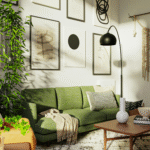
Plants work best in uncluttered homes. Once you declutter and define the layout, greenery adds softness and life without overwhelming the room.
Choose:
- Fewer plants, not many
- Larger planters instead of scattered small ones
- Spots where the room feels stiff or empty
Greenery should complement your home interiors, not compete with them.
7. Create Depth Through Texture, Not More Colour
If your colour palette is restrained, texture becomes essential. This is where many budget homes miss an opportunity.
Introduce contrast through:
- Soft fabrics against solid surfaces
- Matte finishes next to subtle shine
- Natural materials paired with clean lines
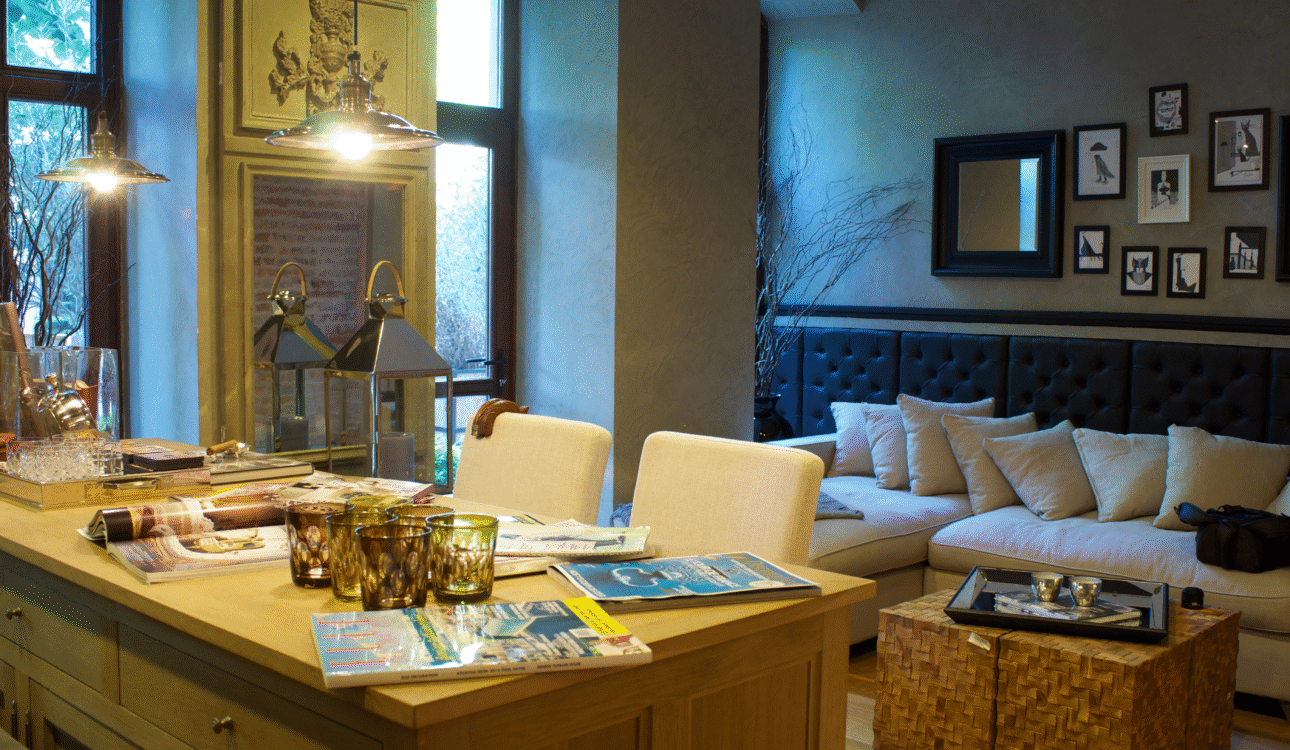
Texture adds richness without visual clutter. It’s what makes neutral home interiors feel layered instead of plain.
8. Decide the One Thing That Should Stand Out
Every room needs a clear focal point. Decide what it is early.
It could be:
- The sofa in the living room
- The bed in the bedroom
- The dining table
Once you choose the anchor, everything else should support it. Avoid trying to make every piece special. One strong focal point makes the entire room feel designed, not crowded.
9. Use Modular or Custom Storage Where Daily Life Demands It
Storage has a direct impact on how clean and calm a home feels. Poor storage leads to visible clutter, which no amount of décor can hide.
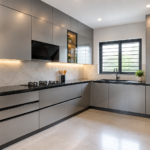
Well-planned modular or customised storage reduces surface clutter and eliminates the need for extra furniture. When storage works, home interiors automatically look more refined.
10. Consult Professionals
Working without a plan often leads to buying twice, once out of impulse, and again to correct mistakes. Good planning helps you prioritise spending and avoid unnecessary upgrades.
Professionals understand home interiors well and can help you decide:
- Where to invest
- Where to simplify
- What will age well over time
Clarity at the beginning always costs less than corrections later.
Plan and Budget Before Anything Else
Before starting any upgrade, define what you want the space to achieve, comfort, functionality, openness, or ease of maintenance, and align your budget around those goals. Break the budget into clear buckets instead of treating it as one number. This makes trade-offs easier and prevents overspending on elements that don’t add long-term value. Thoughtful planning also reduces rework, delays, and impulse buying. When budget and intent are aligned from the start, home interiors come together naturally, without feeling forced or incomplete. While searching for home interior experts as well, you should stick to a budget in mind.
Final Thoughts
Luxury is not about how much you add. It’s about how much you remove, refine, and repeat with intention. When you declutter first, limit choices, and invest deliberately, your home interiors start to feel calm, balanced, and complete, without stretching your budget.
Frequently Asked Questions
1. Can luxury home interiors really be created on a low budget?
Yes. Luxury in home interiors comes from planning, restraint, and smart prioritisation. Decluttering, better lighting, and consistent finishes often make a bigger impact than expensive materials.
2. What is the first step to improving home interiors on a budget?
The first step is to declutter. Removing excess furniture and décor instantly improves space, flow, and visual balance, without any cost.
3. How many colours should I use in my home interiors?
Stick to a neutral base and choose one accent colour per room. Multiple bold colours create visual noise and make spaces feel cluttered rather than elegant.
4. Is modular furniture better for small homes?
Yes. Modular and customised solutions improve storage, reduce clutter, and help small home interiors feel organised and premium.
5. Should I hire an interior professional if my budget is limited?
Expert assistance can help avoid costly mistakes and prioritise spending, often saving money in the long run.