You may have the best furniture, the most elegant décor, perfectly chosen colours, and a beautifully planned layout, yet your home can still feel incomplete. Why? Because lighting has the power to elevate or diminish everything around it. One wrong bulb, one harsh fixture, or one poor placement decision can make a luxurious space look flat, cold, or visually unbalanced.
Lighting is not just a functional necessity; it’s one of the strongest mood-setters in interior design. It affects how colours appear, how textures come alive, and how comfortable you feel in each room. Yet, many homeowners fall into avoidable lighting traps. This guide highlights the most common home lighting mistakes and shows you how to make smart lighting decisions that bring out the best in your home.
Common Lighting Mistakes Homeowners Make
Most lighting mistakes happen because lighting is chosen too late in the design process. People buy fixtures based on appearance, brightness, or convenience, without considering ambience, shadow patterns, or how light interacts with the room. These small decisions accumulate, leading to dim corners, glare-heavy rooms, or uneven brightness. Identifying these recurring issues helps you design lighting that feels intentional, balanced, and visually comforting.
Choosing the Wrong Color Temperature
Warm vs. Cool Lighting Explained
The colour temperature of a light (measured in Kelvin) controls the emotional tone of your space. Warm lights (2700K–3000K) create a relaxing, intimate vibe, while cooler lights (5000K+) bring clarity and focus. Understanding this spectrum ensures you choose bulbs based on how you want a room to feel, not just how bright it should be. This connection between mood and temperature is essential for harmony.
How Wrong Temperature Affects Mood & Aesthetics
The wrong temperature instantly disrupts a room’s atmosphere. Cool white in the bedroom feels clinical; warm yellow in a study makes concentration harder. The mismatch affects how colours appear, how cosy or energetic the room feels, and even how spacious it looks. By matching each room with the correct temperature, you create both emotional and visual balance.
Relying Only on Overhead Lighting
Why Single-Source Lighting Creates Shadows?
A single overhead light pushes illumination straight down, making faces and furniture cast shadows. Corners appear darker, surfaces look uneven, and the entire room loses depth. The problem isn’t brightness, it’s direction. Understanding this helps you see why “the room still feels dark” even with a strong ceiling bulb.
Importance of Layered Lighting
Layering introduces depth and harmony. Ambient light sets the base tone, task lights improve practicality, and accent lights highlight décor and textures. Combined, they eliminate shadows, soften harshness, and make the room visually rich. Layered lighting turns a house into a thoughtfully lit, premium-feeling space.
Ignoring Task Lighting in Key Areas
Essential Task Lighting Zones
Certain areas, kitchen counters, bathroom vanities, study desks, wardrobes, and reading corners, demand focused lighting. These zones require clarity and precision, which general lighting cannot provide. Recognising these task-heavy spaces ensures you illuminate them intentionally rather than relying on spill-over light.
How Task Lighting Improves Functionality?
Task lighting reduces eye strain, enhances safety, and elevates daily comfort. Properly placed vanity lights remove shadows on your face; focused kitchen lighting prevents accidents; reading lights soften strain during long hours. When light supports the task, the space instantly becomes more user-friendly.
Installing Lights Without Considering Room Size
Choosing the Correct Fixture Size
A fixture must suit the scale of the room. A grand chandelier in a compact bedroom feels overwhelming, while a tiny pendant in a large living room disappears visually. When fixture size matches room size, the light spreads evenly and the room feels proportionate.
How Room Proportion Affects Brightness Levels?
Larger spaces require more distributed lighting, multiple fixtures, wider beams, and higher lumens. Smaller rooms need diffused, softer lighting to prevent glare. The relationship between room size and brightness ensures the illumination feels natural rather than forced.
Using Mismatched Lighting Styles or Fixtures
Importance of Consistency in Design
Lighting fixtures act as design elements. Mixing too many styles, vintage, industrial, ultra-modern, disrupts flow and confuses the eye. A cohesive visual language ensures that lighting complements the interior rather than competing with it.
Mixing Styles Correctly (If Needed)
When done with intention, mixing styles creates character. A modern chandelier paired with minimal wall sconces, or vintage lamps supporting a contemporary theme, can add sophistication. The key is balance: one style leads, the other enhances.
Not Focusing on Energy Efficiency
Benefits of LED Lighting
LEDs consume less power, emit less heat, last longer, and come in multiple color temperatures. They’re not only cost-efficient but also offer consistent, high-quality lighting. Choosing LEDs upgrades your home’s lighting foundation.
Smart Lighting for Better Efficiency
Smart controls, timers, sensors, dimmers, and voice-operated bulbs, allow you to automate usage and reduce wastage. This enhances convenience while keeping energy consumption in check.
Poor Placement of Lights
Common Placement Errors
Placing lights behind seating, too close to the wall, or directly across mirrors leads to glare, discomfort, and uneven brightness. These placement errors break the visual rhythm of the room and make lighting feel intrusive.
Optimal Lighting Placement Tips
Position lights to support the room’s natural flow, overhead for ambient tone, front-facing for tasks, and angled or wall-washed for ambience. Proper placement ensures every part of the room feels comfortably illuminated.
Forgetting About Dimmers and Smart Lighting Options
Why Are Dimmers Essential?
Dimmers adjust brightness according to your activity and mood. Bright for tasks, soft for relaxation. This flexibility instantly elevates the home, giving every room multiple personalities depending on the moment.
Using Smart Controls to Enhance Convenience
Smart systems let you control lighting scenes, brightness, and schedules from your phone or voice assistant. This effortless control makes your lighting feel modern, intuitive, and tailored to your lifestyle.
Overlooking Natural Light Balance
Working With Daylight Instead of Against It
Daylight is your home’s best natural asset. Maximizing it through sheer curtains, mirrors, and bright surfaces reduces reliance on artificial lighting and keeps the home fresh and welcoming throughout the day.
Avoiding Too Many Artificial Lights in Well-Lit Rooms
Overlighting a naturally bright room creates glare and visual discomfort. Allow daylight to do its job, and use artificial lighting only where necessary to maintain balance.
How to Choose the Right Light for Different Rooms?
- Living Room Lighting
Combine warm ambient light with accent lighting and floor lamps to create an inviting, layered environment suitable for gatherings or relaxation.
- Bedroom Lighting
Soft, warm lighting with bedside lamps, cove lights, or indirect LEDs builds a peaceful, resting ambience.
- Kitchen & Dining Lighting
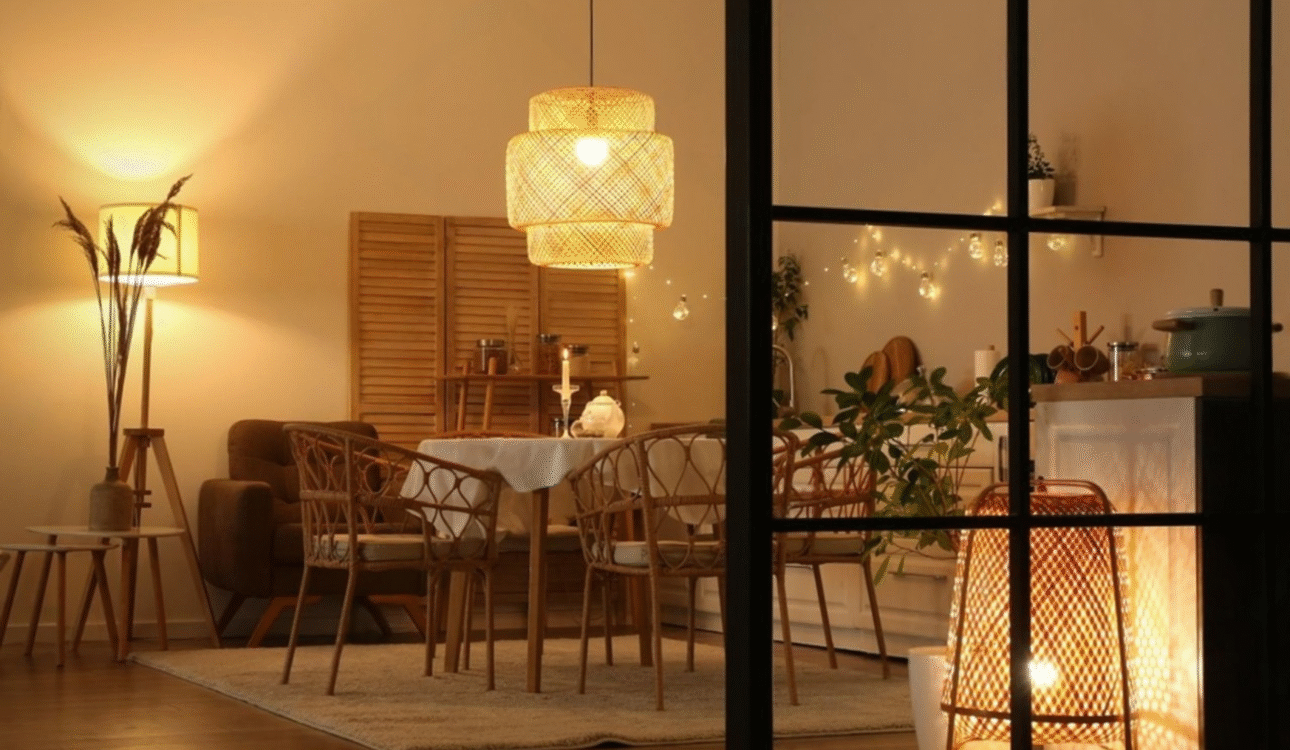
Bright task lighting keeps cooking safe and efficient, while warm pendants above the dining table set a pleasant atmosphere for meals.
- Bathroom & Vanity Lighting
Even shadow-free vanity lighting ensures clarity for grooming and enhances overall usability.
- Hallways & Entryways
Bright, functional lighting helps navigation while setting the visual tone as soon as someone enters your home.
Smart Lighting Choices for a Functional and Beautiful Home
Thoughtful lighting isn’t just about brightness, it’s about balance, comfort, and mood. By avoiding common lighting mistakes and understanding how light interacts with your space, you create a home that feels beautifully designed, emotionally warm, and effortlessly functional. The right lighting doesn’t just illuminate your home, it elevates it.
Frequently Asked Questions
- How do I know if my home has poor lighting?
If your rooms feel flat, shadowy, overly bright, or uncomfortable at certain times of the day, you’re likely facing lighting design issues.
- Are warm or cool lights better for homes?
Warm lights are great for relaxation spaces like bedrooms and living rooms, while cool-neutral lights work better for kitchens, studies, and work zones.
- Is layered lighting really necessary?
Yes. Layering prevents shadows, improves visibility, and creates visual richness that a single light source cannot achieve.
- Do I need smart lights for a well-lit home?
Not mandatory, but smart lights add convenience, efficiency, and customization that enhance your everyday experience.
- What’s the most common lighting mistake beginners make?
Relying only on overhead lighting. This creates harsh shadows and leaves the room looking incomplete.